How are Caribbean countries advancing their climate goals?
Despite facing many challenges, Small Island Developing States are taking climate action at full speed.
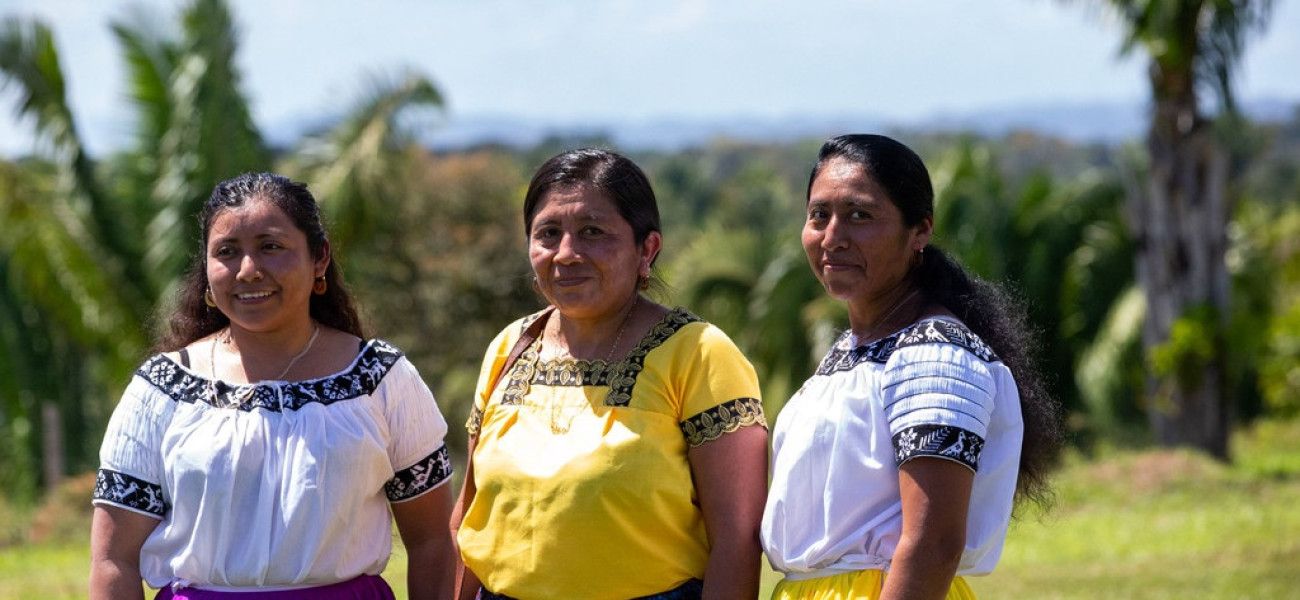
© UNDP/SGP Belize
Caribbean countries are on the frontline of climate change. From rising sea levels and stronger hurricane seasons to water scarcity and coastal erosion, these countries—many of which are Small Island Developing States (SIDS)—see their development directly impacted by the climate crisis.
Although they are responsible for only one percent of global greenhouse gas emissions, Caribbean states have set out ambitious mitigation and adaptation commitments in their national climate plans, also known as Nationally Determined Contributions (NDCs), to achieve the goals of the Paris Agreement.
© UNPD
In a recent analysis, the University of the West Indies and UNDP have looked at how seven CARICOM countries—Antigua and Barbuda, Barbados, Belize, Dominica, Saint Lucia, Suriname and Trinidad and Tobago—are implementing the actions in their existing NDCs and how the next round of climate pledges can be improved based on these experiences.
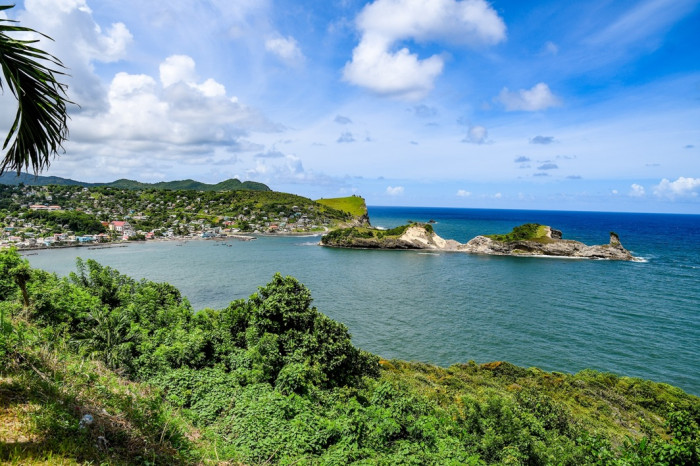
© UNDP Barbados and the Eastern Caribbean/Zaimis Olmos
The analysis also pointed to several challenges that the region is facing when implementing solutions. These include lack of technical capacity and institutional coordination, systemic barriers in accessing climate finance which deepen already high national debt burdens, and the need to empower regional institutions to be part of the solutions.
Despite the challenges, these seven SIDS are making significant progress on climate solutions to mitigate and adapt to climate change.
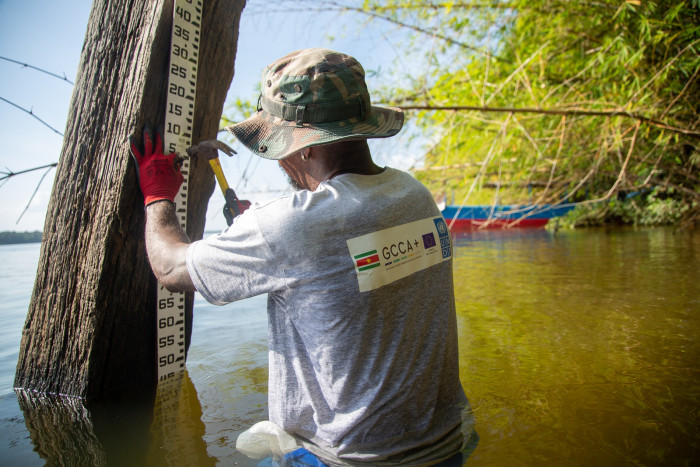
© UNDP/Harvey Lisse
Further reading:
Analysis: How are Caribbean countries advancing their climate goals?- Country: Antigua and Barbuda, Barbados, Belize, Dominica, Saint Lucia, Suriname, Trinidad and Tobago
- Project:
- Contact:
Daniela Peris