From Satellite to Coffee Farm: The Story Behind Deforestation-Free Coffee Reaching Europe
The golden hour begins in Central America, where sunrise greets a coffee-growing family starting its workday on the farm, as it has done generation after generation. The aroma of the coffee plants blends with the freshness of the landscape, but above them there is something not visible to the naked eye: a satellite precisely recording that same landscape to help ensure that the fruit of their labor can reach the European market.
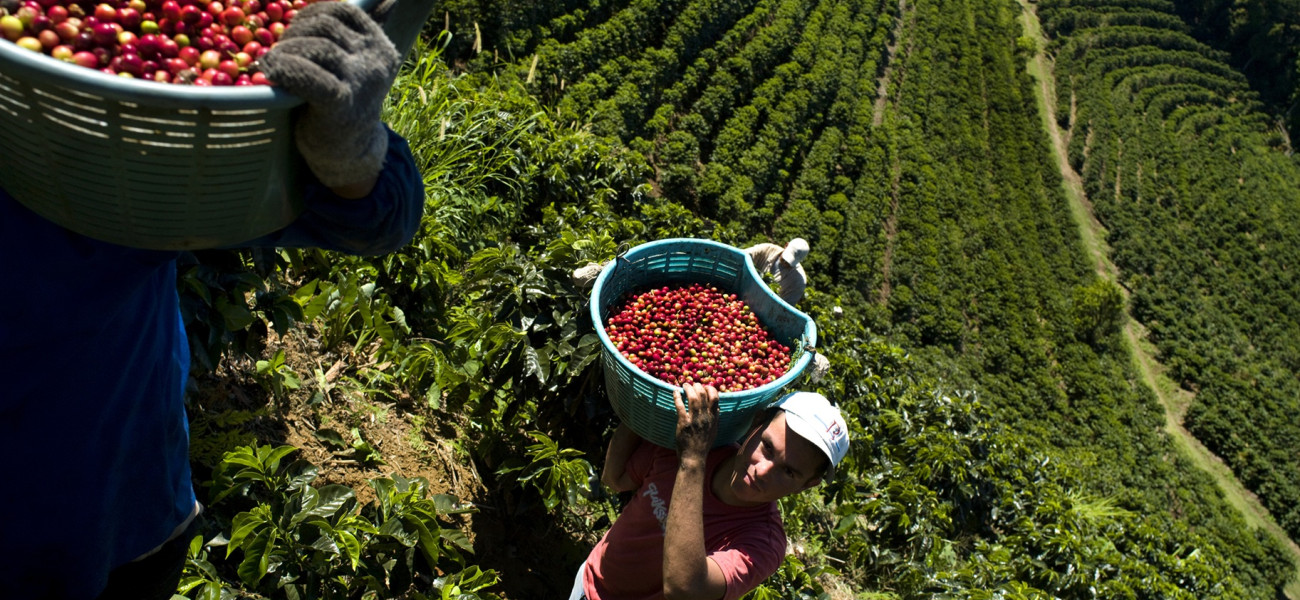
© ICAFE Costa Rica
Around 90% of deforestation in tropical forests is attributed directly or indirectly to agriculture, according to the latest FAO data.
In response to this reality, the European Union established the European Deforestation-Free Products Regulation (EUDR), which requires products arriving from other regions to be traceable and not to come from deforested land. This translates into value chains that are more conscious, respectful of the environment, and sustainable.
The Mapping Dilemma for Shade-Grown Coffee
For producers and exporting companies, the challenge is clear: How can they prove, with technical evidence, that their crops have not been associated with forest loss after December 2020?
The challenge is particularly complex for the Central American region’s agroforestry systems, where a coffee farm grown under the shade of trees looks very similar to a forest from a satellite’s perspective, and a simple renovation could be misinterpreted by globally generated maps as “deforestation,” creating a risk of false positives that may unfairly affect the livelihoods of thousands of producer families.
The German Development Cooperation – GIZ (from its acronym in German), through the Great Forests of Mesoamerica Program and the Coffee and Forests Program, financed by the European Union and the IKI (from its acronym in German) initiative of Germany’s Ministry of the Environment (BMUKN, from its acronym in German), developed an innovative process to improve the accuracy of coffee farm mapping in the region in response to the EUDR, using images from the European Copernicus space program.
GIZ and the European Union presented the first results of this technological effort on February 19, 2026, at a regional event in Costa Rica, a gathering that brought together technology experts, government authorities, and leaders from the export sector.
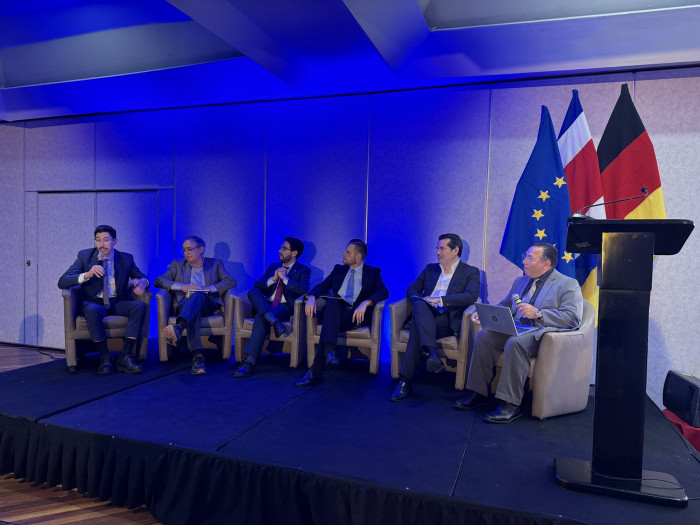
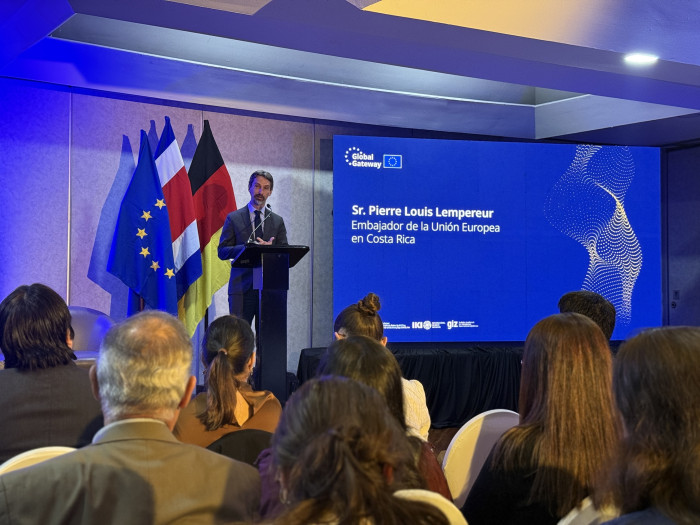
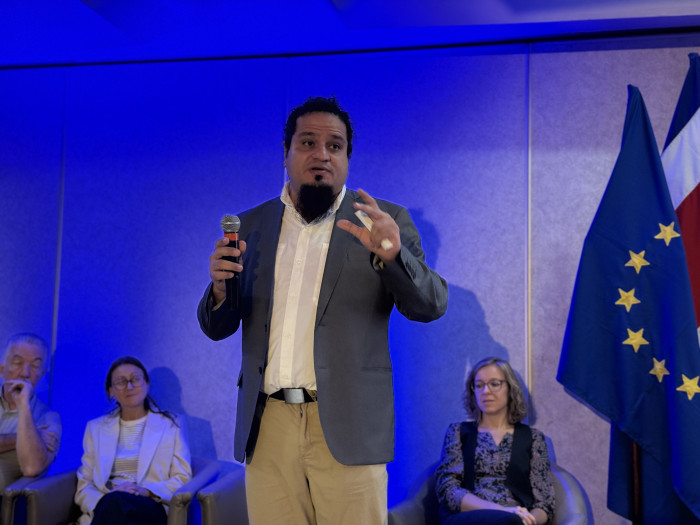
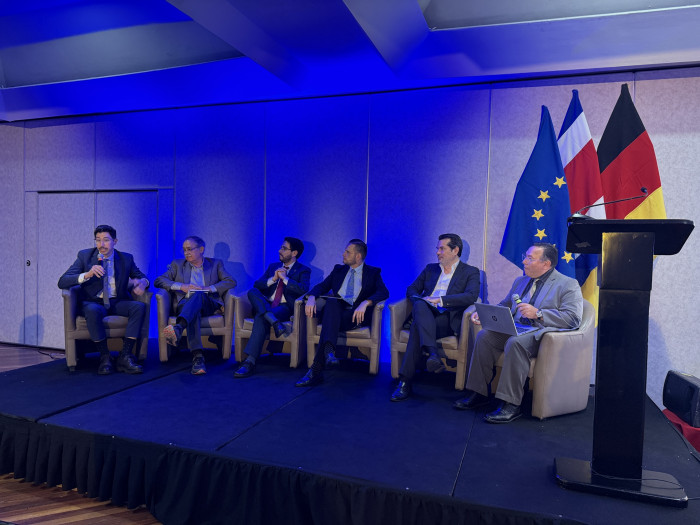
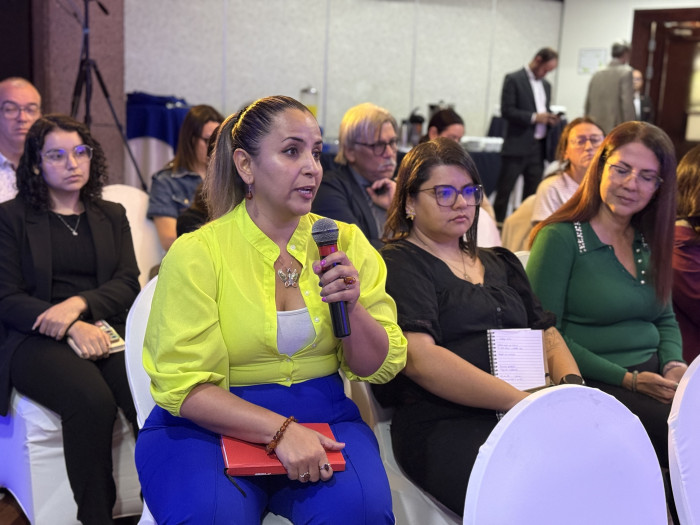
Impressions from the regional event. © REDD Landscape
Global Gateway: Investments That Connect Regions
This technological solution is a living reflection of the European Union’s Global Gateway strategy, which, through the “Team Europe” approach, finances the digital and green transition needed to comply with sustainability regulations, such as the EUDR.
Space technology applied to Central American agriculture demonstrates how Global Gateway’s smart investments equip the private sector with the tools it needs to maintain its commercial leadership.
It is about turning sustainability and traceability into a competitive advantage.
Thanks to international cooperation and technical innovation, Central America is writing a new chapter. A future where high-quality agricultural production, forest preservation, and open data coexist to ensure prosperity and dignity for its people.
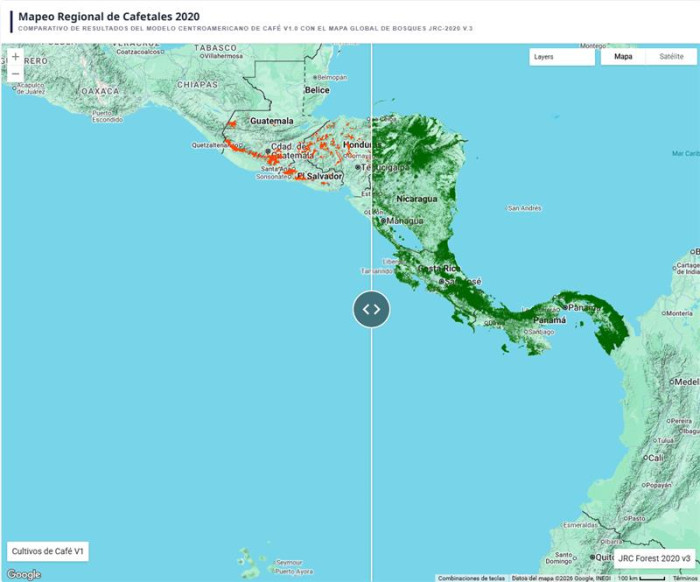
Image of the satellite mapping of coffee plantations in Central America. © REDD Landscape
- Country: Costa Rica, El Salvador, Guatemala, Honduras, Nicaragua, Panama, Dominican Republic
- Project:
- Contact:
Anna Kühnel